In an era where disruption seems to lurk around every corner—think AI revolutions, geopolitical shifts, and climate imperatives—crafting a business strategy that doesn't just survive but thrives for decades feels like chasing a mirage. Yet, it's entirely possible. The key lies not in predicting the future with crystal-ball accuracy, but in designing a framework that's inherently flexible, rooted in timeless principles, and agile enough to pivot when needed.

I've seen countless companies rise and fall because their strategies were rigid blueprints, beautiful on paper but brittle in practice. At Nobuon, our corporate business consulting philosophy flips this script. We advocate for future-proof strategies—living documents that incorporate scenario planning, continuous learning loops, and a bias toward experimentation. Let's dive into how you can build one that lasts.
Understand the Foundations: Timeless Principles Over Trends
The first mistake leaders make is chasing shiny trends. Blockchain today, quantum computing tomorrow—it's exhausting. Instead, anchor your strategy in enduring truths about human behavior, market dynamics, and value creation. What does your customer truly need, not just now, but in any economic climate? How does your core competency solve perennial problems?
For instance, consider how companies like Amazon have layered innovations atop a bedrock of customer obsession. Their strategy isn't about the latest gadget; it's about relentlessly improving the customer experience. At Nobuon, we start every engagement by distilling these core invariants. Ask yourself:
- What are the unchanging needs in your industry?
- What unique strengths does your organization possess that competitors can't easily replicate?
- How can you create compounding advantages over time, like network effects or brand loyalty?

By focusing here, your strategy gains resilience. Trends become add-ons, not the foundation.
Embrace Scenario Planning: Prepare for Multiple Futures
No one-size-fits-all prediction works. Future-proofing demands exploring wild cards. We use structured scenario planning at Nobuon—crafting 4-6 plausible futures based on key uncertainties like technology adoption, regulatory changes, and supply chain shocks.
Picture this: In one scenario, AI automates 50% of white-collar jobs; in another, ethical concerns slow it to a crawl. How does your strategy hold up? Build decision trees and flex points—triggers that signal when to shift gears. This isn't paranoia; it's prudence. Historical data shows companies that scenario-plan outperform peers by 20-30% in volatile times.
"The best way to predict the future is to create it." – Peter Drucker (with a twist: by preparing for all of them).
Key Tools for Scenario Building
- PESTLE Analysis: Political, Economic, Social, Technological, Legal, Environmental drivers.
- War Gaming: Simulate competitor moves in each scenario.
- Backcasting: Start from desired 2040 outcomes and work backward.

Integrate these into your annual strategy refresh, making it a ritual rather than a relic.
Incorporate Adaptability Mechanisms: The Living Strategy
A static five-year plan is a museum piece. Future-proof strategies are dynamic systems with built-in feedback loops. Implement OKRs (Objectives and Key Results) that cascade from vision to execution, reviewed quarterly. Foster a culture of psychological safety where teams flag emerging risks early.
At Nobuon, we embed strategy cockpits—dashboards tracking leading indicators like customer sentiment, innovation pipelines, and ecosystem shifts. Use AI for anomaly detection, but always pair it with human judgment. And don't forget talent: Your people are your adaptability engine. Invest in lifelong learning programs and cross-functional rotations to build antifragility.
- Pilot moonshot projects annually to test bold ideas.
- Set aside a 'black swan fund' for rapid response.
- Conduct post-mortems on every major decision, win or lose.
Measure What Matters: Long-Term Metrics
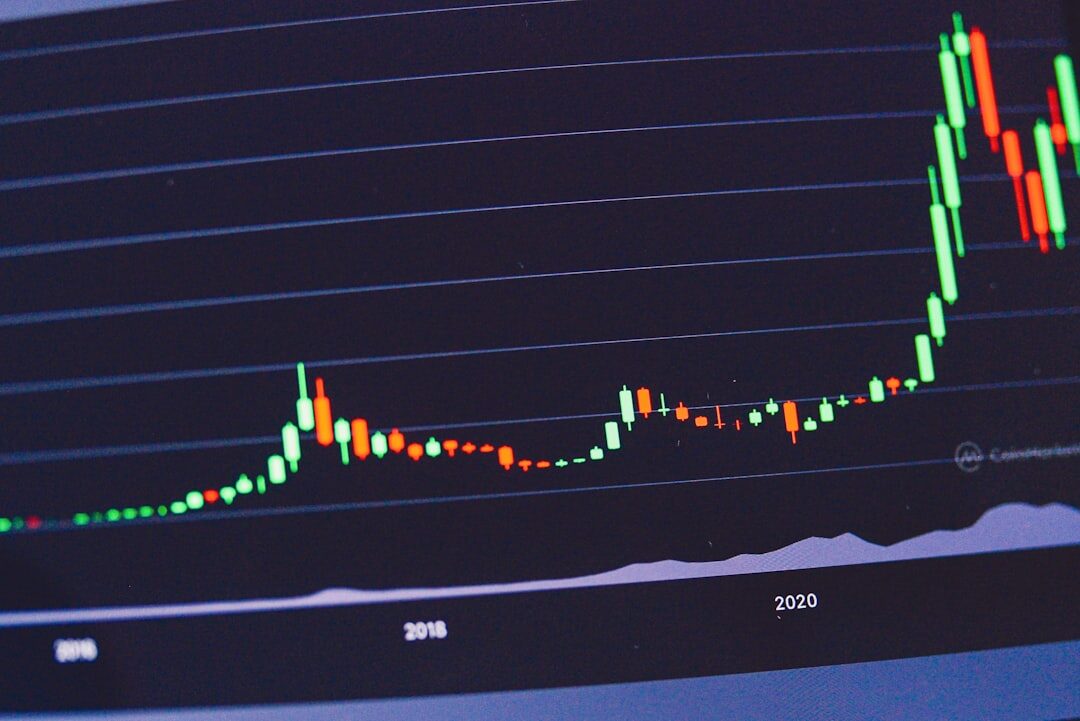
Short-term KPIs kill long-term vision. Shift to metrics like customer lifetime value, ecosystem health, and strategic optionality. Track 'strategy health scores' that balance today's wins with tomorrow's readiness. Nobuon's clients using these see sustained 15%+ CAGR over decades.
Real-world proof? Think of Unilever's Sustainable Living Plan, blending profit with purpose, enduring economic cycles. Or Toyota's kaizen culture, evolving since the 1950s.
The Nobuon Difference: From Vision to Victory
Building this isn't DIY for most. Our team at Nobuon brings decades of cross-industry experience, proprietary tools, and a track record of transforming strategies for Fortune 500s. We've helped clients navigate pandemics, trade wars, and tech tsunamis, emerging stronger.
Start today: Audit your current strategy against these pillars. The future won't wait—but a future-proof plan will carry you through it.